Need same-day PAT testing? We’re London’s go-to team for quick, reliable, and fully certified electric appliance testing. Call now for fast, hassle-free service you can trust.

Keep your business safe with our trusted Portable Appliance Testing (PAT) services across London. We carry out fast, reliable, and affordable PAT Testing in London to help you meet UK safety standards. Our qualified engineers test your electrical appliances with minimal disruption and provide clear reports for your records.
Keeping your workplace safe starts with properly tested electrical appliances.We have built a strong reputation as one of the most trusted PAT testing companies in London. Our certified engineers deliver fast, affordable, and fully compliant Portable Appliance Testing for businesses of every size and type. Whether you run a small office, a busy shop, a school, a healthcare facility, a warehouse, or manage rental properties, our team makes sure your electrical appliances meet UK safety standards without disrupting your daily operations.
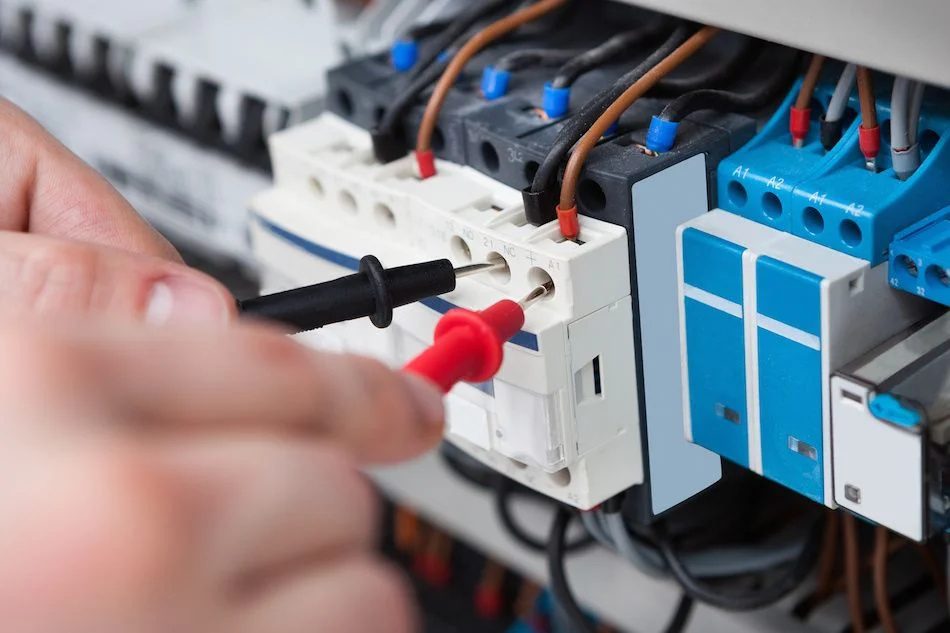

Keep your workplace safe and compliant with our professional Commercial PAT Testing services. We test electrical appliances in offices, schools, hotels, and other business premises to identify potential faults and reduce electrical risks.

Our Residential PAT Testing service helps landlords, homeowners, and tenants ensure electrical appliances are safe to use. We thoroughly inspect and test appliances for reliable performance and peace of mind.

Our Industrial PAT Testing service is designed for factories, warehouses, workshops, and manufacturing facilities. We test heavy-duty electrical equipment to improve workplace safety, reduce downtime, and support compliance.
Trusted PAT testing experts across London, London Safety Checks provides fast, affordable, and fully certified PAT testing services. Our experienced engineers ensure your electrical appliances are safe, compliant, and hassle-free, giving you complete peace of mind every time.

Certified PAT Testing Experts
Our experienced technicians deliver professional PAT testing services using industry-approved methods and calibrated equipment for accurate results.
Fast & Reliable Service
We work efficiently to minimise disruption, completing inspections on time while maintaining the highest standards of electrical safety.
Detailed Reports & Certification
Receive clear digital reports, appliance labels, and PAT testing certificates to help demonstrate compliance and simplify record-keeping.
Tailored Testing Solutions
From residential properties to offices, retail stores, schools, and industrial facilities, we provide PAT testing services tailored to your specific requirements.
Competitive & Transparent Pricing
Enjoy affordable PAT testing with clear, upfront pricing and no hidden charges, delivering excellent value for businesses and homeowners.
Commitment to Safety & Compliance
We help protect people, property, and equipment by identifying electrical risks and ensuring your appliances meet current UK safety standards.
Need same-day PAT testing? We’re London’s go-to team for quick, reliable, and fully certified electric appliance testing. Call now for fast, hassle-free service you can trust.
Portable Appliance Testing (PAT) is the process of inspecting and testing electrical appliances to ensure they are safe to use. It combines a detailed visual inspection with professional electrical testing to identify faults, damaged cables, faulty plugs, or internal electrical issues that could lead to electric shocks, fire risk, or equipment failure. Regular PAT testing helps businesses comply with workplace health and safety responsibilities, reduces the risk of electrical accidents, minimises equipment downtime, and provides peace of mind for employees and customers.

Our engineers carry out a detailed site assessment to identify every portable electrical appliance that requires testing. This organised approach ensures an efficient PAT testing service with minimal disruption to your workplace or property.
Each appliance is carefully inspected for damaged plugs, worn cables, loose connections, and other visible defects. Identifying these issues before electrical testing helps improve safety and prevent potential hazards. .
Using advanced, calibrated equipment, we deliver an accurate electrical PAT testing service for every portable appliance. Our Portable Appliance Testing process verifies electrical safety, identifies hidden faults, and helps ensure your equipment complies with the latest safety standards.
After testing, every appliance receives a clear pass or fail label. You also receive a detailed digital report containing test results, appliance records, and recommendations for any items requiring attention.
Once all testing is complete, we issue a PAT Testing Certificate confirming the inspection results. Our certification helps businesses, landlords, and homeowners maintain compliance while creating a safer environment for everyone.
Answers to help you navigate your compliance journey with confidence.