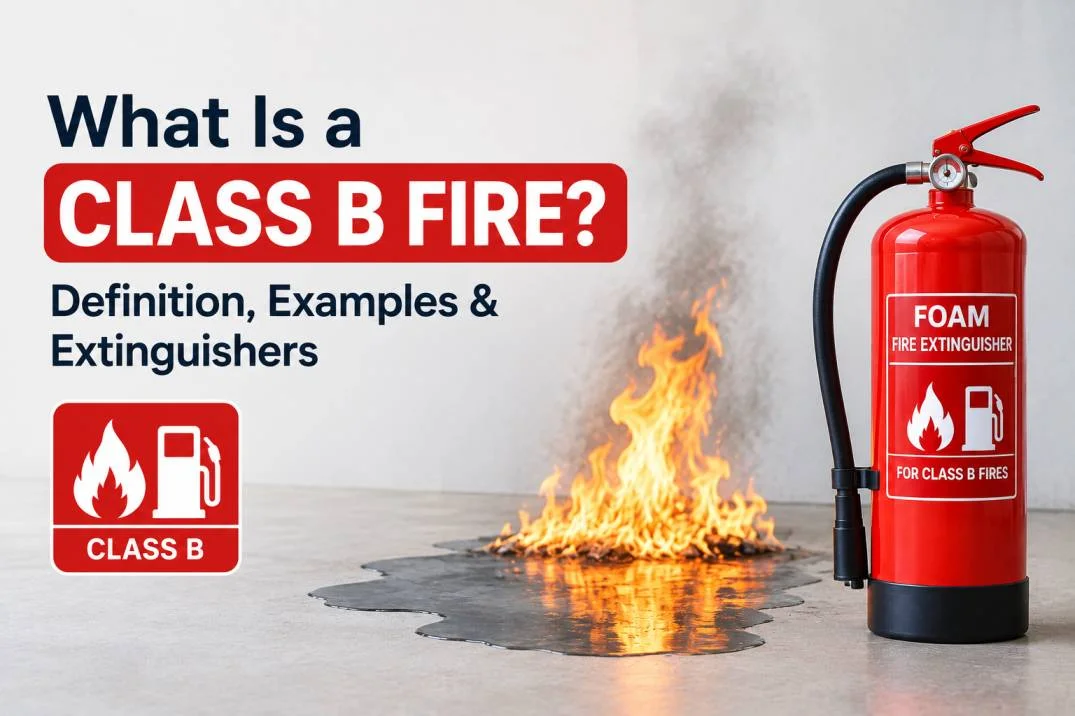
A Class B fire is a fire involving flammable or combustible liquids or flammable gases, such as gasoline, diesel, solvents, alcohol, oil-based paints, propane, and butane. These fires can spread quickly through burning liquids or ignitable vapors, making the right extinguishing method essential.
In this guide, you’ll learn what causes Class B fires, common examples, how they differ from other fire classes, which extinguishers can be used, why water can be dangerous, and how to respond safely.
What Is a Class B Fire?
A Class B fire is a fire involving flammable or combustible liquids and flammable gases. The classification describes the fuel involved, not the size of the fire. Gasoline burning at a fuel station and a small solvent fire in a workshop can both be Class B fires.
Common Class B fuels include gasoline, diesel, alcohols, solvents, lacquers, oil-based paints, petroleum products, and gases such as propane and butane. NFPA’s fire-extinguisher classification specifically includes flammable and combustible liquids, petroleum greases, oils, paints, solvents, lacquers, alcohols, and flammable gases.
What Are Examples of Class B Fires?
Common examples include:
| Fuel | Example situation |
| Gasoline | Fuel spill ignited near a vehicle |
| Diesel | Burning fuel during storage or transfer |
| Solvents | Ignition during industrial or workshop use |
| Alcohol | Spilled alcohol catching fire near an ignition source |
| Oil-based paint | Paint or vapors igniting during use |
| Propane | Ignited gas from a leaking cylinder or line |
| Butane | Fuel escaping from a damaged or leaking container |
The exact fire risk depends on the properties of the material, how much fuel is present, ventilation, and the available ignition sources.
What Causes a Class B Fire?
A Class B fire generally starts when a flammable liquid, combustible liquid, or flammable gas comes into contact with an ignition source. The source may be an open flame, spark, hot surface, static discharge, or other source capable of igniting the fuel or its vapors.
Common causes include:
- Fuel leaks or spills
- Improper storage of flammable liquids
- Open flames near fuels or solvents
- Sparks from equipment
- Hot work or other ignition-producing activities
- Gas leaks
- Poor ventilation that allows flammable vapors to accumulate
Flammable liquids are particularly hazardous because their vapors can form an ignitable mixture with air. OSHA defines flash point as the minimum temperature at which a liquid produces enough vapor to form an ignitable mixture near its surface.
How Is a Class B Fire Different From Other Fire Classes?
Fire classes are based primarily on the type of fuel involved, so identifying the class helps determine which extinguishing method is appropriate.
| Fire class | Typical fuel | Common examples |
| Class A fir | Ordinary combustible materials | Wood, paper, cloth |
| Class B | Flammable or combustible liquids and gases | Gasoline, solvents, oil-based paint |
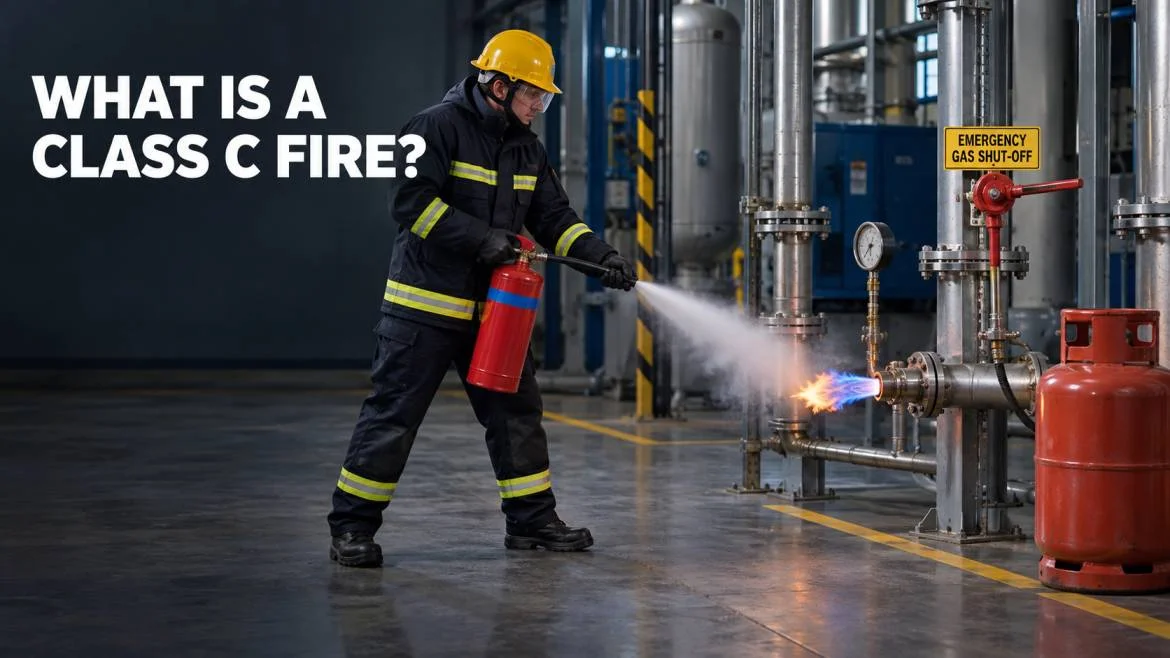
| Class C | Energized electrical equipment in systems using this classification | Wiring, electrical equipment |
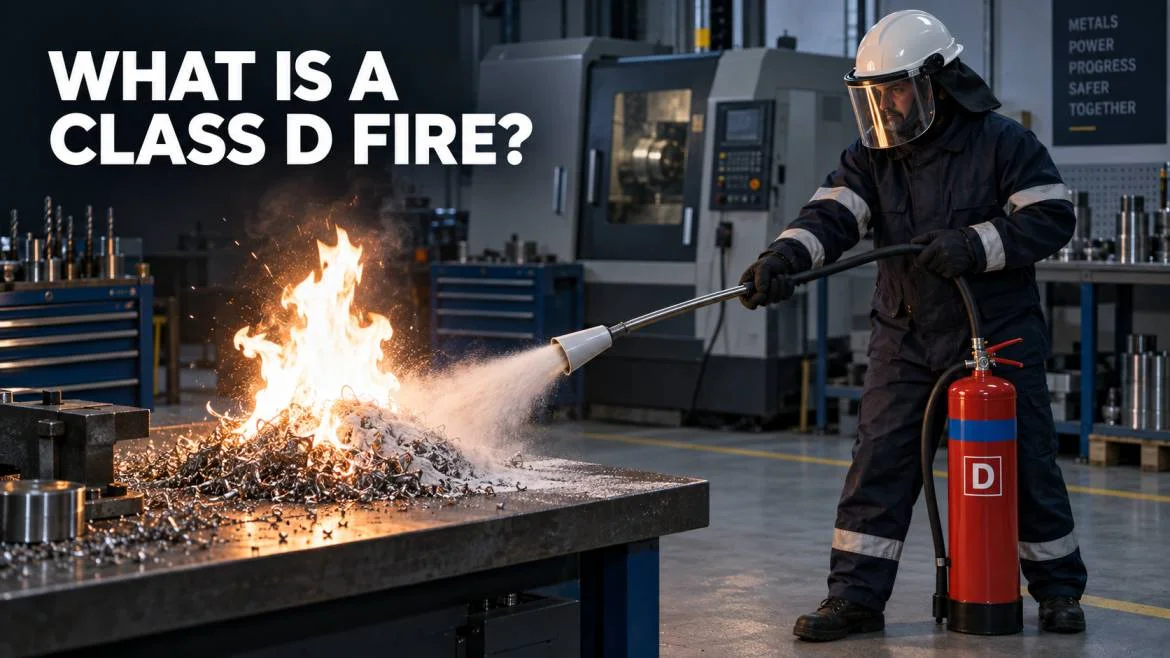
| Class D | Combustible metals | Magnesium, titanium |
| Class K | Cooking oils and fats | Commercial cooking oil |
The exact classification terminology can vary between fire-safety standards and countries, particularly for electrical and cooking fires. For portable extinguisher selection, always follow the classification and instructions shown on the extinguisher label. OSHA, for example, identifies extinguishers labeled B for flammable-liquid fires and C for energized electrical equipment.
Why Are Class B Fires Dangerous?
Class B fires can become difficult to control because burning liquids may spread across a surface while gases and vapors can move away from the original source.
A spill of gasoline, for example, can create a larger burning area as the liquid moves. Flammable vapors can also reach an ignition source some distance away. If the fuel remains hot after the visible flames are extinguished, the fire may also re-ignite.
This makes the fuel source and surrounding conditions important when assessing a Class B fire. A small fire involving a limited amount of fuel is very different from a fire involving a large storage tank, pressurized gas supply, or rapidly spreading spill.
What Extinguisher Is Used for a Class B Fire?
Class B fires require an extinguisher that is specifically rated for Class B fires. Common extinguishing agents include dry chemicals, carbon dioxide (CO₂), and certain foam agents. The correct choice depends on the fuel, the environment, and the extinguisher’s specific rating and instructions. OSHA identifies CO₂ and dry chemical extinguishers among the types used for flammable-liquid fires.
Foam Extinguishers
Foam can form a layer over the burning liquid, helping separate the fuel from the air and reducing the chance of continued burning. Foam systems are commonly associated with flammable-liquid hazards, although the suitability of a particular foam agent depends on the fuel and application.
Dry Chemical Extinguishers
Dry chemical extinguishers can interrupt the chemical reaction that sustains the flames. Multipurpose dry chemical extinguishers are widely used where several fire classes may be present.
CO₂ Extinguishers
Carbon dioxide displaces oxygen around the flame and leaves little or no residue. It can be useful for certain Class B hazards, but it has limitations and may be less effective where air movement quickly disperses the gas.
For larger quantities of flammable liquids or specialized industrial hazards, extinguisher selection should be based on the specific hazard rather than simply choosing any extinguisher carrying a Class B label. OSHA requires portable and special fire-control equipment to match the hazards involved in flammable-liquid operations.
Can You Use Water on a Class B Fire?
Do not use a conventional water stream on a burning flammable-liquid fire. Water can cause the burning liquid to spread, potentially increasing the size of the fire instead of controlling it.
The important distinction is that this warning concerns using an ordinary water stream as the extinguishing method. Specialized water-based suppression systems and water-spray applications can be designed for particular fire hazards, so “never use water” should not be interpreted as a rule that applies to every engineered fire-suppression system. For a portable extinguisher, use an agent and rating appropriate for the Class B hazard.
You Would Like to read: How Water fire Extinguisher work
How Do You Respond to a Class B Fire?
If a Class B fire is small, contained, and within your level of training, the first priority is to make sure you have the correct, properly rated extinguisher and a clear escape route.
For an appropriate portable extinguisher, the commonly taught PASS method is:
- Pull the pin.
- Aim the nozzle at the base of the fire.
- Squeeze the handle.
- Sweep from side to side while maintaining a safe position.
Only attempt to use an extinguisher when the fire is manageable, you have the correct equipment, and you can keep an unobstructed escape route behind you. If the fire is spreading, producing significant heat or smoke, threatening your escape route, or involves a substantial quantity of fuel, evacuate and call emergency services instead of attempting to fight it yourself.
How Can Class B Fires Be Prevented?
Prevention starts with controlling the fuel and eliminating opportunities for ignition.
- Store flammable liquids in suitable, closed containers.
- Keep fuels and solvents away from ignition sources.
- Control leaks and spills promptly.
- Provide adequate ventilation where flammable vapors may accumulate.
- Follow safe procedures when handling or transferring fuels.
- Keep suitable fire extinguishers accessible in areas with Class B hazards.
- Inspect and maintain fire-safety equipment according to applicable requirements.
OSHA requirements for flammable-liquid areas address issues such as approved storage, ignition-source control, and suitable fire-control equipment.
What Does a Class B Fire Extinguisher Rating Mean?
A Class B fire and a Class B extinguisher rating are related but not the same thing. A Class B fire describes the type of fuel burning. The B designation on a fire extinguisher indicates that the extinguisher is designed and tested for the applicable Class B fire hazard. The numerical rating that may appear alongside B provides additional information about the extinguisher’s tested firefighting capability.
This distinction matters because simply having an extinguisher nearby does not mean it is suitable for every fire. The label, rating, extinguishing agent, and manufacturer’s instructions should all be considered when selecting equipment.
Need Help With Fire Safety?
If you need professional fire safety support for your property, London Safety Checks can help with fire extinguisher servicing, fire door inspections, and other essential safety checks. Contact the team to keep your fire safety measures properly maintained and ready when they are needed.
Frequently Asked Questions
What is an example of a Class B fire?
A gasoline fire, burning solvent, oil-based paint fire, or fire involving propane can be a Class B fire because the fuel is a flammable or combustible liquid or flammable gas.
Is gasoline a Class B fire?
Yes. A fire involving burning gasoline is classified as a Class B fire because gasoline is a flammable liquid.
Is diesel a Class B fire?
A fire involving diesel is generally treated as a Class B flammable-liquid fire for portable extinguisher purposes.
Can you use water on a Class B fire?
A conventional water stream should not be used on a burning flammable-liquid fire because it can spread the burning liquid. Use an appropriate Class B-rated extinguishing agent instead.
What extinguisher is best for a Class B fire?
Common options include dry chemical, CO₂, and suitable foam extinguishers. The best choice depends on the specific fuel, fire conditions, environment, and extinguisher rating.
Are gases included in Class B fires?
Yes. Flammable gases are included in Class B fire hazards under NFPA’s portable fire-extinguisher classification. Examples include propane and other flammable gases.
What is the difference between Class A and Class B fires?
Class A fires involve ordinary combustible materials such as wood, paper, and cloth. Class B fires involve flammable or combustible liquids and flammable gases. Because the fuels behave differently, the appropriate extinguishing method can also differ.
Summary
A Class B fire involves flammable or combustible liquids and flammable gases, including fuels such as gasoline, diesel, solvents, paints, propane, and butane. These fires can spread rapidly and may re-ignite if the fuel remains present or hot. Use a properly rated Class B extinguisher, avoid conventional water streams on burning liquids, and evacuate rather than fight a fire that is too large or unsafe to control.